
Know Your Roof Before It Fails You: A Guide to Year-Round Roof Inspections
Most homeowners don’t think about their roof until water starts dripping through the ceiling. By that point, what could have been a minor fix has often turned into a significant repair and a significant expense. At Luby Construction Group, we’ve seen this story play out more times than we’d like, which is why we believe that a well-informed homeowner is the best defense against preventable roof damage. Whether your home is five years old or fifty, understanding the basics of roof inspections can save you thousands of dollars and a whole lot of stress.
Here’s a statistic worth sitting with: according to the National Roofing Contractors Association, most roofing problems stem from a lack of regular maintenance and delayed inspections. The average asphalt shingle roof lasts 20 to 25 years, but only when it receives proper attention along the way. That lifespan shrinks considerably when small issues go unnoticed for seasons at a time.
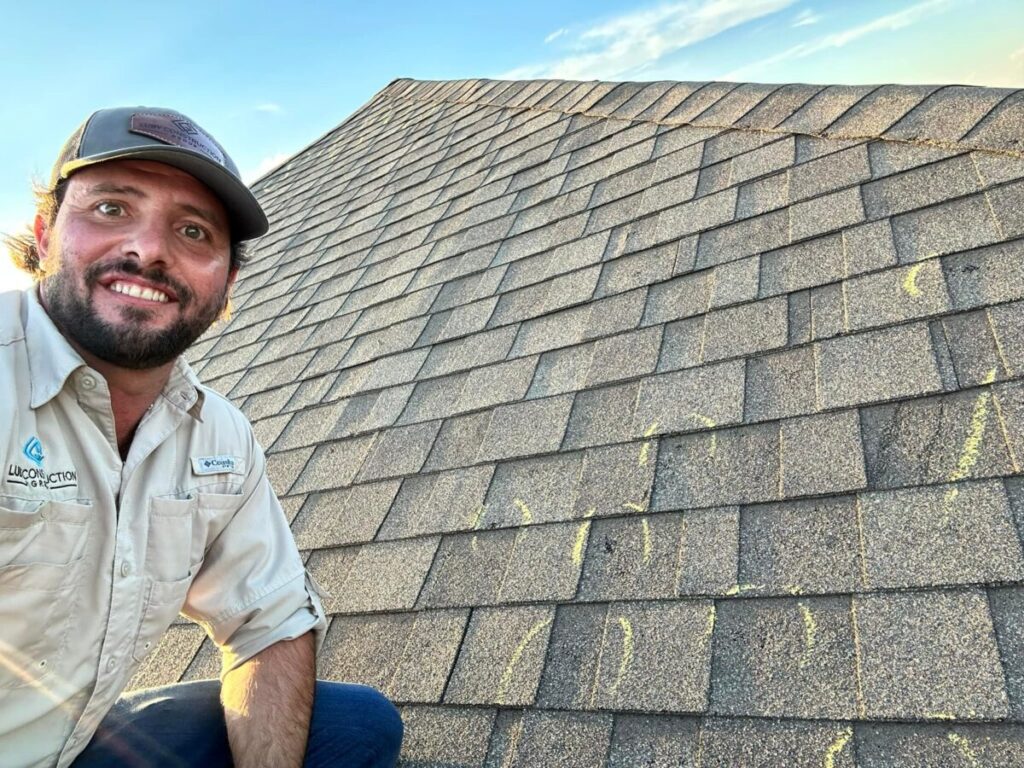
Why Regular Roof Inspections Matter More Than You Think
Your roof is working every single day. It handles UV exposure, wind, rain, heat, and cold without a single complaint, which makes it easy to forget about. The problem is that roofing materials wear gradually, and that gradual wear is nearly impossible to detect from the ground with an untrained eye. Professional inspectors look for things most homeowners would never catch: subtle granule loss on shingles, micro-cracks along flashing seams, or early-stage moisture infiltration beneath the surface. Catching these issues during a routine inspection versus after a leak has formed is often the difference between a $300 repair and a $12,000 replacement.
Roofing professionals generally recommend scheduling an inspection at least once a year, with an additional check following any major storm. Spring and fall are ideal times because they bookend the most demanding seasons for your roof. A fall inspection ensures your roof is ready for winter’s weight and moisture. A spring walkthrough reveals any damage winter left behind.
What Happens During a Professional Roof Inspection
A thorough roof inspection covers far more than just the shingles you can see from the street. A qualified roofing contractor will examine the structural integrity of the roof deck, the condition of all flashing around chimneys, vents, and skylights, the status of gutters and drainage, and the state of soffits and fascia boards. Inside your home, they’ll often check the attic for signs of moisture, inadequate ventilation, or daylight coming through gaps that shouldn’t exist.
Ventilation is one of the most underappreciated aspects of roof health. Poor attic ventilation traps heat and moisture, which accelerates shingle deterioration from the inside out. This means a roof can look perfectly fine from the outside while quietly failing from within. A professional inspection catches this, and a brief attic check during every inspection is standard practice for experienced contractors.
What Homeowners Can Do Between Inspections
You don’t need to climb on your roof to be proactive. From ground level, periodically scan for shingles that appear curled, buckled, or darker than the rest of the surface. Check your gutters after storms for an accumulation of granules, those small sand-like particles that fall away as shingles age. Inside your home, watch for water stains on ceilings or walls, especially after heavy rain. These signs aren’t always cause for panic, but they are reasons to call a roofing professional sooner rather than later.
Keeping your gutters clean is one of the simplest and most impactful things a homeowner can do. Clogged gutters cause water to back up under shingles and along the roofline, creating ideal conditions for rot and leaks. A seasonal gutter cleaning takes an hour and can prevent months of headaches.
The Cost of Waiting vs. The Value of Acting Early
HomeAdvisor reports that the average cost of a roof repair in the United States falls between hundreds to a few thousand dollars. Routine inspections typically cost a couple of hundred, a small investment when weighed against what reactive repairs demand. The math is straightforward, and the peace of mind that comes with knowing your roof is in good shape is genuinely priceless.
At Luby Construction Group, our goal is never to alarm homeowners but to equip them. A healthy roof doesn’t happen by accident, it happens because someone paid attention. Schedule your inspection before the season changes, and let your roof do its job with confidence.