
Fence Installation 101: A Homeowner’s Essential Guide
Installing a fence is one of those home improvement projects that seems straightforward until you’re standing in your yard, permit application in hand, wondering if you’ve made the right choices. At Luby Construction Group, we’ve guided countless homeowners through this process, and we’ve learned that the difference between a fence that enhances your property for decades and one that becomes a source of regret often comes down to the decisions made before the first post goes in the ground.
The reality is that a new fence represents a significant investment and it fundamentally changes how you use and enjoy your outdoor space. Whether you’re seeking privacy, security, or simply defining property boundaries, understanding what lies ahead can save you thousands of dollars and countless headaches.
Understanding Property Lines and Legal Requirements
Before you fall in love with a particular fence style, you need to know exactly where your property ends and your neighbor’s begins. Survey markers can shift over time, and assumptions about boundary lines are one of the leading causes of neighbor disputes and costly fence relocations. Having a professional survey conducted provides legal documentation that protects your investment and maintains good relationships with those living next door.
Equally important is understanding local regulations and homeowner association rules that govern fence installation. Most municipalities require permits for fences over a certain height, usually six feet, and many have specific setback requirements that determine how close to the property line you can build. Some areas restrict certain materials or colors, while others prohibit fences in front yards entirely. Taking the time to research these requirements early prevents the frustration of having to modify or remove a fence that doesn’t comply.
Choosing Materials That Match Your Needs and Budget
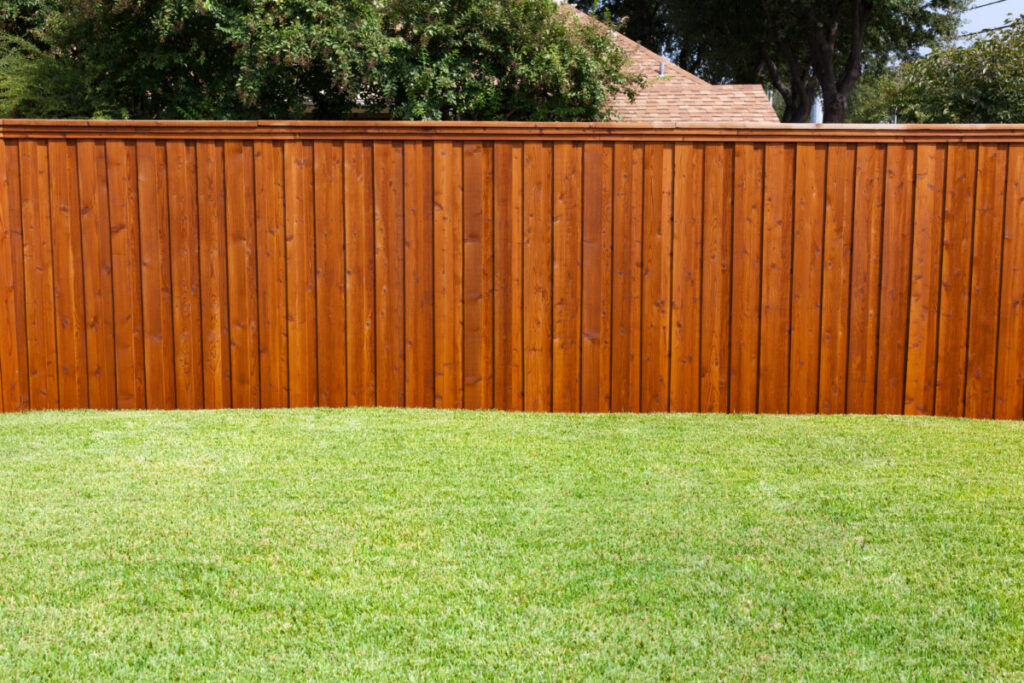
The material you select will impact not just your initial costs but also maintenance requirements and longevity. Wood fencing offers natural beauty and versatility, with options ranging from cedar and redwood to pressure-treated pine, but requires regular staining or sealing every two to three years to prevent rot and weathering. Vinyl fencing eliminates maintenance concerns and can last thirty years or more, though the upfront cost runs approximately 25 to 40 percent higher than comparable wood options.
Metal fencing, including aluminum and wrought iron, provides durability and elegance but typically comes with the highest price tag, while chain link offers an economical solution for pet containment and security without aesthetic appeal. Consider how each material performs in your climate, the level of privacy you need, and whether you’re willing to invest time in ongoing maintenance or prefer to pay more initially for a low-maintenance solution.
Planning for Installation and Long-Term Success
Professional installation ensures proper post depth, adequate spacing, and structural integrity that DIY efforts often lack. Posts should be set in concrete at depths of one-third to one-half the above-ground height to withstand wind and soil movement. The quality of installation matters more than most homeowners realize—a poorly installed fence can begin sagging or leaning within just a few years, regardless of material quality.
Think beyond the immediate installation to how your fence will age and how your needs might evolve. Consider gate placement carefully, accounting for lawn equipment access, traffic flow, and potential future additions like pools or sheds. Plan for drainage to prevent water pooling along the fence line, which accelerates deterioration and creates muddy areas that are difficult to maintain. Contact Luby Construction Group today for a consultation and detailed estimate tailored to your specific needs and property characteristics.