
Energy-Smart Roofing: Cut Your Bills and Boost Home Value
Every summer, homeowners watch their energy bills climb as air conditioners work overtime to battle the Texas heat. What many don’t realize is that their roof—the largest surface area exposed to the sun—plays a starring role in this expensive cycle. When a roof isn’t designed with energy efficiency in mind, it essentially becomes a giant heat conductor, forcing cooling systems to run continuously just to maintain comfortable temperatures. At Luby Construction Group, we’ve helped countless homeowners transform their roofing from energy drains into powerful allies in the fight against high utility costs.
The good news? Modern roofing technology has evolved far beyond simple rain protection. Today’s energy-efficient roofing upgrades can reduce cooling costs by up to 15 percent while simultaneously increasing home value and comfort. Whether you’re planning a complete roof replacement or looking for strategic improvements, understanding which upgrades deliver the best return on investment makes all the difference.
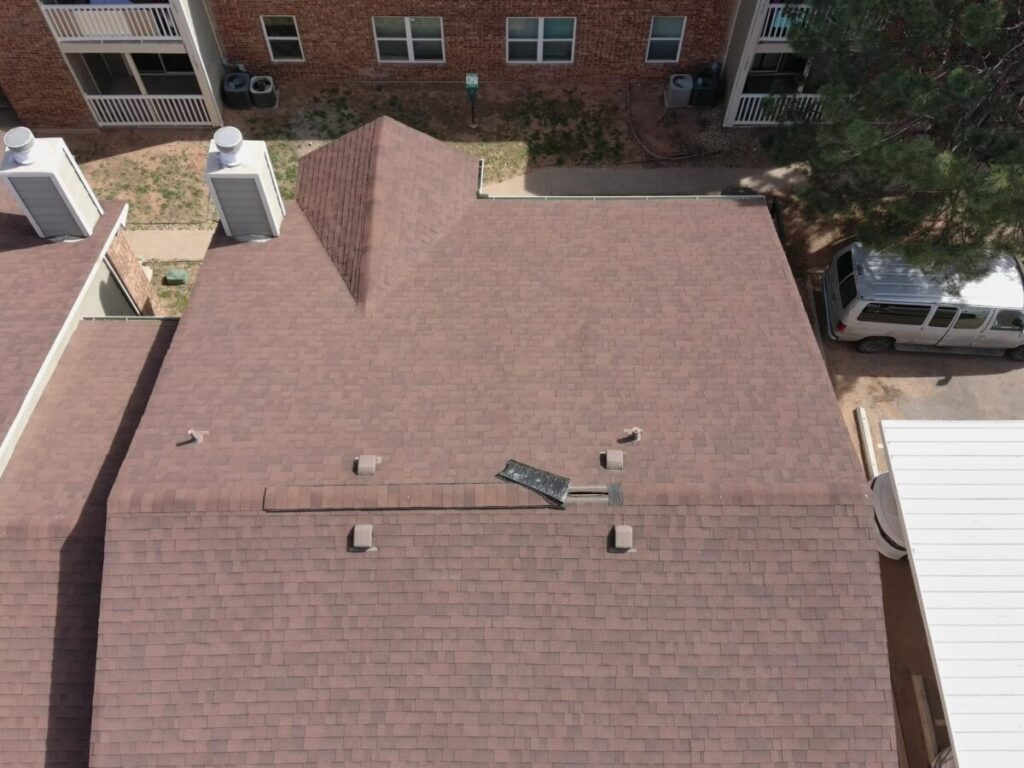
The Science Behind Cool Roofing Technology
Traditional dark-colored roofing materials absorb significant amounts of solar radiation, causing surface temperatures to reach 150 degrees Fahrenheit or higher during peak summer months. This heat transfers directly into your attic and living spaces below, creating what building scientists call the “heat island effect” on a residential scale.
Cool roofing materials work differently. They’re specifically engineered with reflective properties that bounce solar radiation back into the atmosphere rather than absorbing it. Studies from the Department of Energy show that reflective roofing can lower roof surface temperatures by 50 to 60 degrees compared to conventional materials. This dramatic difference translates directly into reduced air conditioning demand and lower energy consumption throughout the warmest months of the year.
Reflective Shingles and Coating Systems
Modern reflective asphalt shingles incorporate special granules that reflect more of the sun’s rays while maintaining the aesthetic appeal homeowners expect. These aren’t the stark white commercial roofs you might picture—manufacturers now offer reflective options in virtually every color palette, from warm earth tones to classic charcoal grays.
For homeowners with existing roofs in good structural condition, reflective roof coatings present another compelling option. These liquid-applied products create a seamless, reflective barrier over your current roofing material. Professional-grade elastomeric coatings not only improve energy efficiency but also extend the life of your existing roof by protecting it from UV damage and weather exposure. The typical payback period for reflective coating systems ranges from three to five years in regions with significant cooling demands.
Ventilation Upgrades That Work Overtime
Even the most reflective roofing materials can’t do their job alone—proper ventilation completes the energy efficiency equation. Ridge vents, soffit vents, and powered attic ventilators work together to create continuous airflow that prevents heat buildup in attic spaces. When hot air can escape freely through ridge vents while cooler air enters through soffit vents, you create natural convection that substantially reduces attic temperatures.
Many older homes were built with inadequate ventilation by today’s standards. Adding or upgrading ventilation systems during a roofing project represents a relatively modest investment that delivers outsized returns. Proper ventilation not only reduces cooling costs but also prevents moisture accumulation that can lead to mold growth and premature roof deterioration.
Radiant Barriers and Enhanced Insulation
While technically separate from the roof covering itself, radiant barriers installed on the underside of roof decking dramatically improve overall system performance. These reflective foil materials block up to 97 percent of radiant heat transfer from the roof deck into attic spaces. When combined with adequate insulation at the attic floor level, radiant barriers can reduce attic temperatures by 30 degrees.
The type and thickness of attic insulation matters tremendously for energy efficiency. Adding insulation during a roofing upgrade maximizes the benefits of your other energy-efficient improvements and creates a comprehensive thermal barrier.
Making the Investment Work for You
Energy-efficient roofing upgrades require upfront investment, but the long-term financial benefits extend well beyond monthly utility savings. Homes with documented energy-efficient features command premium prices in real estate markets. Additionally, many utility companies offer rebates for cool roofing installations, and federal tax credits may apply to qualifying materials and improvements.
The key is working with experienced contractors who understand how different components interact to create optimal performance. A reflective roof without proper ventilation won’t perform as expected. Similarly, excellent ventilation can’t compensate for inadequate insulation. Successful energy-efficient roofing requires a systems-based approach that considers your home’s unique characteristics and your specific performance goals. Contact Luby Construction Group today to schedule a comprehensive roofing assessment and discover which upgrades will deliver the greatest impact for your home and budget.